A big week in Rochester
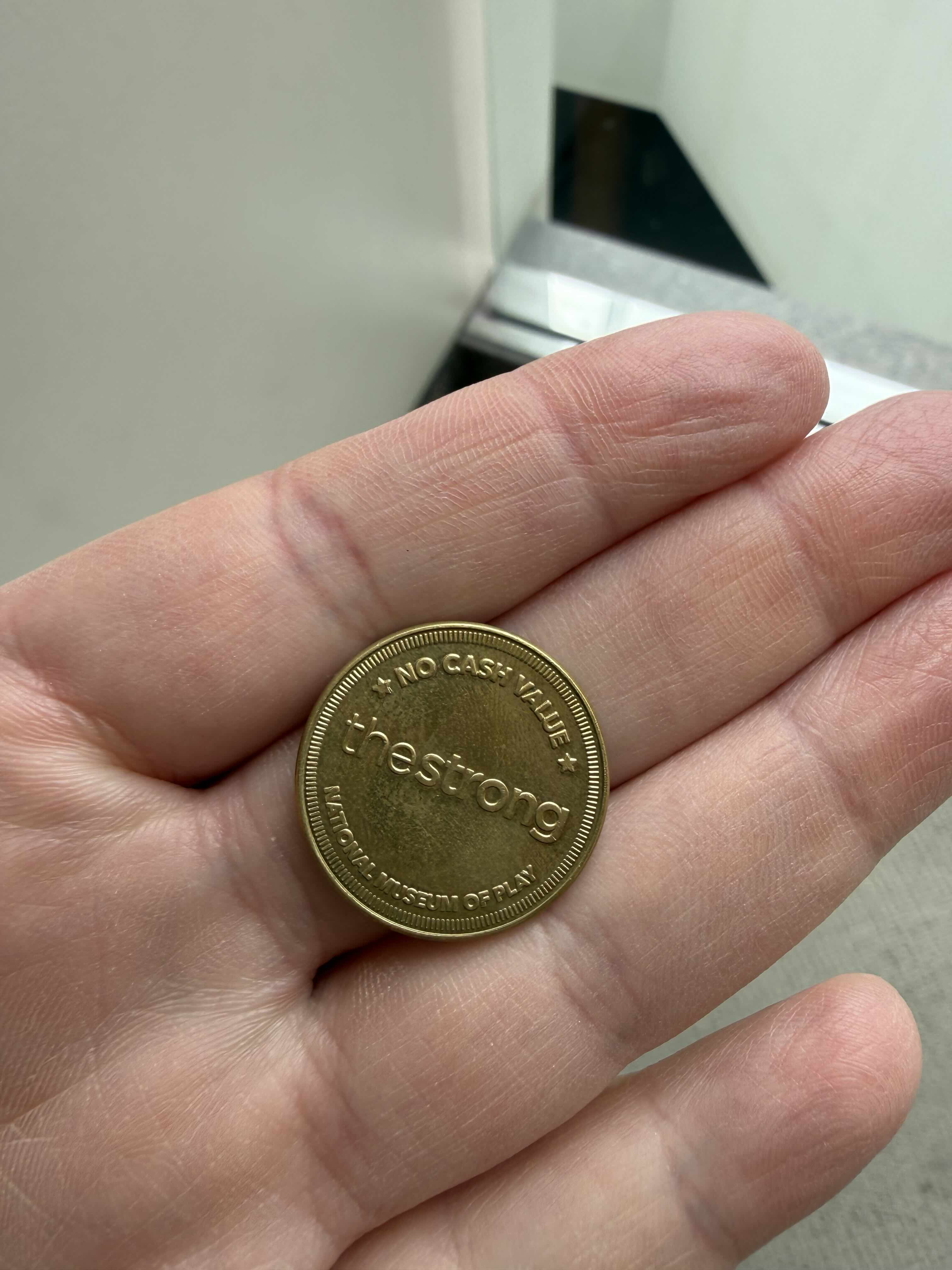
I had come to the Strong National Museum of Play as a Research Fellow to work in the Brian Sutton-Smith Library and Archives of Play, and from the first morning the place felt like it had been built by people who actually understand what researchers need: a real reading room, real help, and staff who treat requests for toys — in my case, eight full pages of requests for toys — as a perfectly reasonable way for a fully grown adult to spend a week.
What I was after, and what only the Strong could give me, was time with the toys themsleves; For ten years I have watched gender-diverse children play with toys — and compiled thousands of hours of fieldwork— and now I am turning that decade of research into a book-length research comic called Gender Moxie! Kids Growing Up Trans at the End of the World, under contract with University of Toronto Press. But comics-based research needs more than field notes as instead of taking notes, I would spend my time drawing the collection. This work needs the things themselves: the dolls, the catalogues, the advertisements, the commercial chatter that told children — and their parents — what play for boys, and for girls, was supposed to be. And dolls are peculiar objects: unlike sculptures, they offer a living, open version of the human figure, and you cannot understand what children do with them unless you can hold the history in your hands and (in my case) draw it. That is what the Strong’s collections let me do: photographs and catalogues, commercial communications, and museum objects, studied the slow way, one artifact at a time, drawn the way I have been trained in visual field notes and sequential art — precisely, and with attention to the wear and tear and love that a photograph would miss.
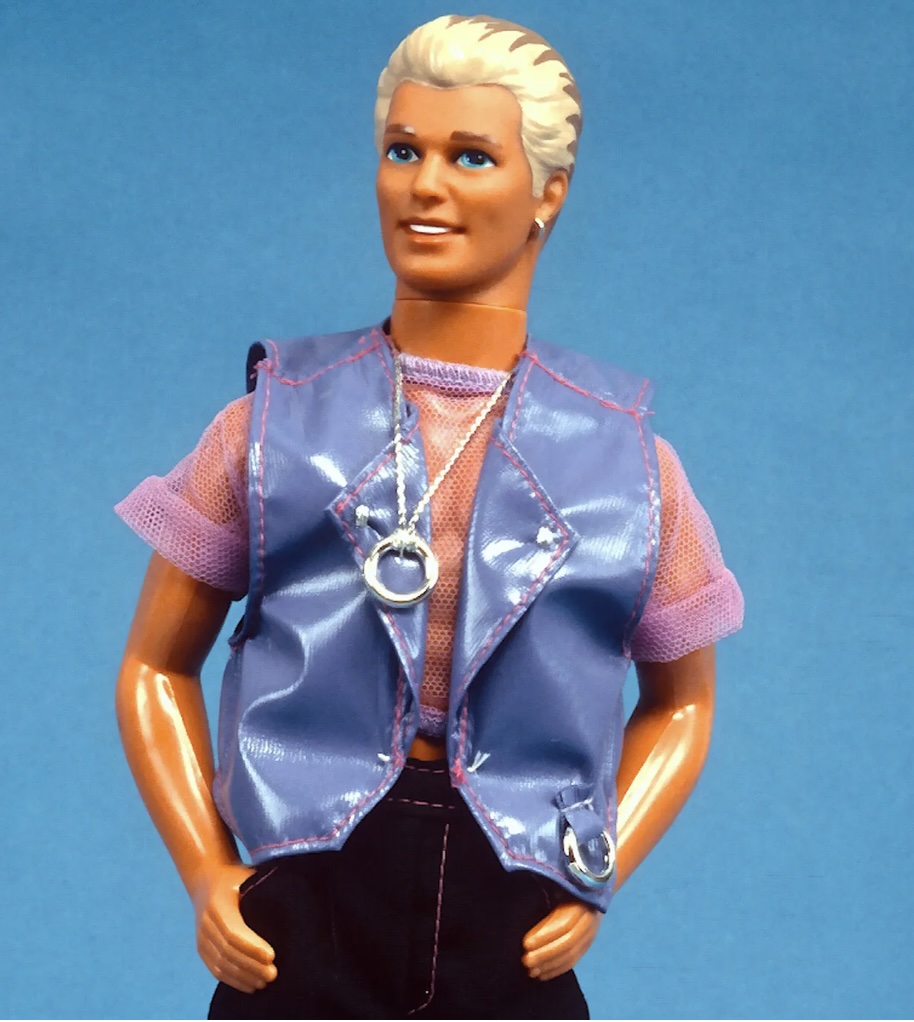
The dolls at the center of the project’s questions were all there in spirit if not always on the shelf in front of me: Mattel’s Laverne Cox doll from 2022, the Tonner doll of transgender teenager and activist Jazz Jennings from 2017, the amazingly queer Creatable World dolls, American Girl’s Truly Me line, and the boy dolls that Our Generation and Madame Alexander finally got around to marketing to boys, however briefly. What I wanted to know — what I am still asking — is how these affirming, “queered” dolls came to exist at all, how toymakers conceived of them and sold them, how children and parents received them, and what they mean in the much longer story of doll play, which has always been more inventive and more unruly than the adults in charge of it ever planned. As the Strong’s own curator Natalie Rudd has observed on the museum’s blog, children have always adapted toys to suit their own purposes, regardless of what the toymakers intended. The archive backs her up. And I’ll admit the real gems of the entire experience were the Mattel papers’ accounts of Earring Magic Ken in all his glory, and the BLO, Barbie Liberation Organization papers, which detailed how to hack—and queer– the voice boxes of Barbie and GI Joe. Vive les saboteurs !
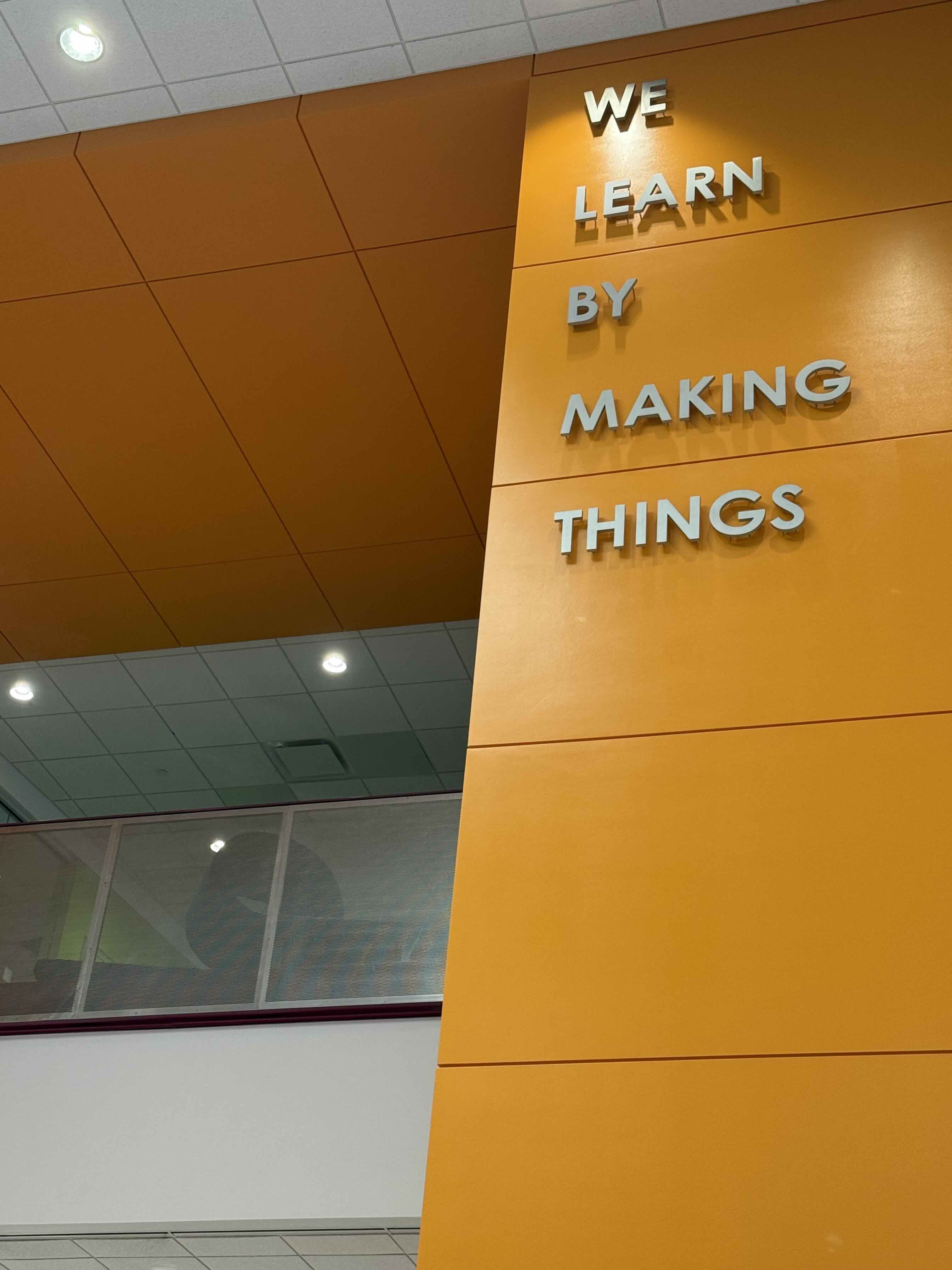
I also got to spend a little bit of time just down the road at RIT. On Wednesday morning I visited Professor Lisa Hermsen’s comics class, where I spoke to students about comics-based research and the professional life of a cartoonist-scholar — the view from inside the work, zines and all. Her students were so game that by the end of the week, by her report, they were making and leaving zines in public bathrooms and on the windshields of cars and hidden in the library, which is the optimal outcome of any visit I make anywhere. On Thursday I visited Professor Laura Shackelford’s English class, where we kept things conversational — how comics-based scholarship actually works, how my own process works, what happens when you hand students a zine template and get out of the way.
I should also confess why I applied to the Strong in the first place. My friends and editors Emily Aguiló-Pérez and Rebecca Hains — the editors of Barbie in the Media, the volume that carries my chapter on transgender girls, their mothers, and the whole Barbie thing — had been fellows here themselves, working with the Barbie fashion designer papers. When the people who write the book about Barbie tell you a place is wonderful, you listen. They were right, in every particular, including the parts I had not expected: the giant Scrabble tiles and the dragon by the parking garage, the staff who answer a frantic email with good humor, the feeling, on Friday afternoon, of simply wandering the museum itself with no agenda at all, just looking. I recommend that last activity highly. Go with no plan. Look at everything. Especially the button quail in the butterfly exhibit.
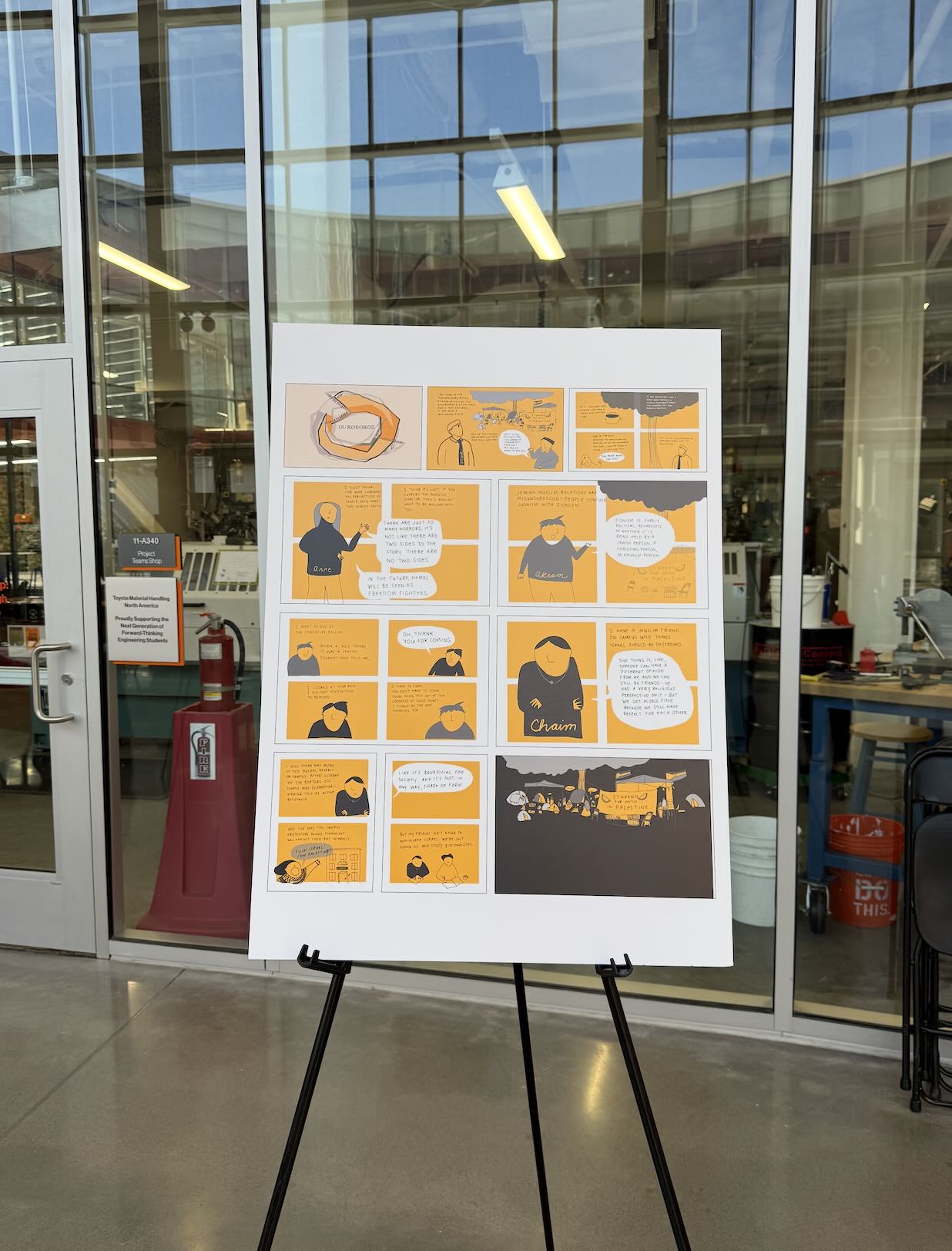
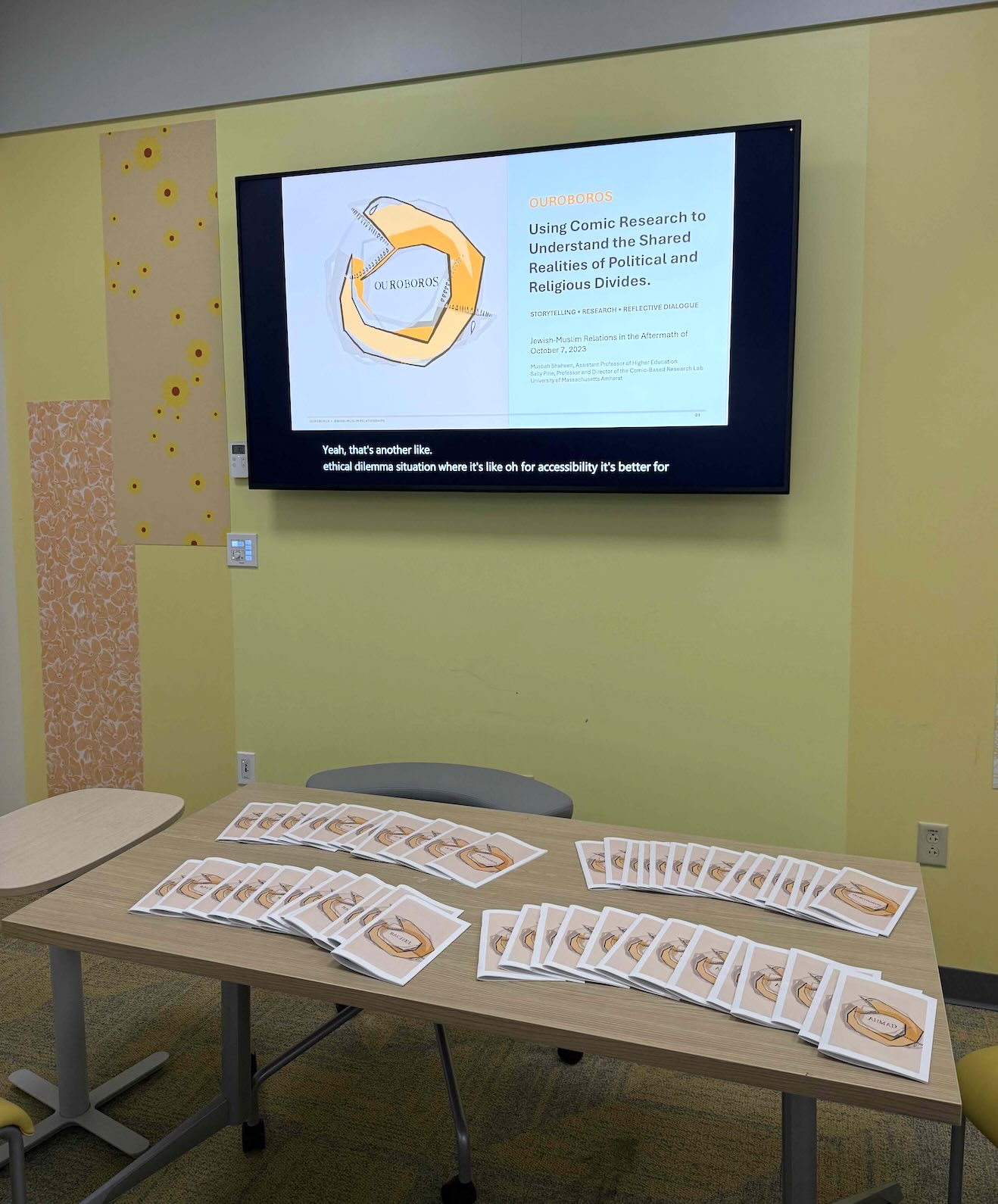
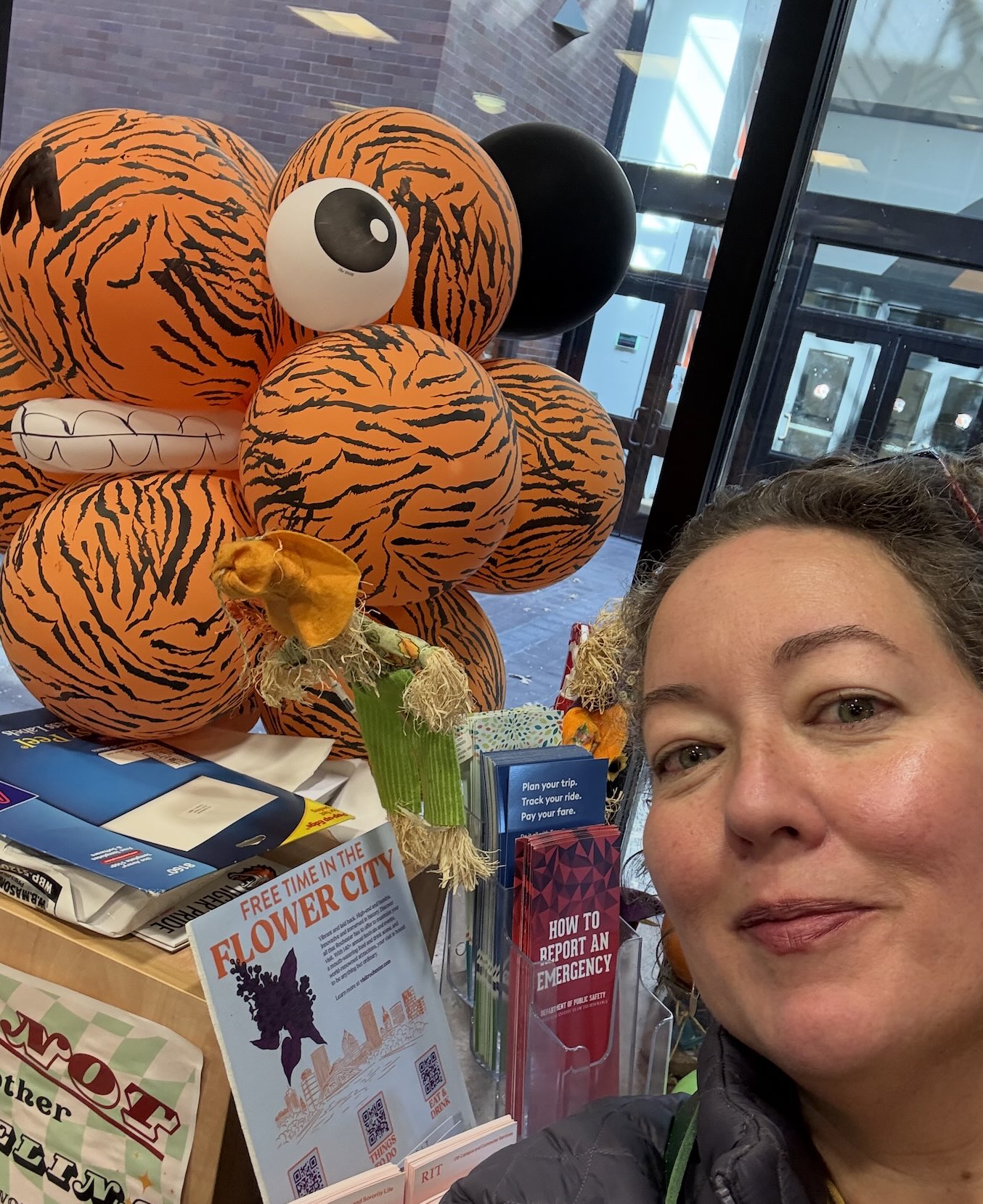
Rochester itself got to me, too. It is a city that you love because it does not try to impress you: the lake light (it’s Lake Ontario, by the way, and I would like to apologize to our Canadian neighbors for the Temu dictatorship), the big RIT Brick City, the unpretentious excellence of a Friday-night dinner at the Owl House on Marshall Street. And after driving back to Amherst after Brick City Weekend, I got right back in the car and returned to RIT the following Friday with my collaborator Musbah Shaheen, for Together RIT, where we gave two presentations based on our Ouroboros project.



I have been thinking about Rochester ever since. It’s a funny place where I felt almost immediately at home. Creative people are drawn to Rochester, I think, because of its deeply supportive community—which you can feel. Local artists frequently highlight that Rochester lacks a cutthroat atmosphere. Instead, it offers a collaborative and welcoming environment where people feel like the town is rooting for you. The creative people I met (including my own daughter, Benna, a film and animation student at RIT) agreed—Rochester is special. And it sneaks up on you.
So: thank you to the Strong, to the library and archives staff, to Lisa and Laura and their students, to Emily and Rebecca for sending me, and to Rochester, a city I did not expect to love. Gender Moxie is taking shape one artifact at a time. When it is finished, I hope it carries some trace of that week and affirms what Montessori, Fröbel and Fred Rogers have been telling us all along: research that centers children and their play is integral to the humanistic revolution.